
Which animals to watch in autumn in Belgium and northern France
AnimalDex · 8 October 2026
Red deer rut, migrants, squirrels, seals, spiders: what to see in autumn in Belgium and northern France, where to look and how to go about it.
Why autumn is an easy season
Autumn has a poor reputation with beginners: the days grow shorter, it rains, the leaves fall. It is nevertheless one of the best seasons for watching animals close to home. The trees thin out and birds show up better in the branches. Many animals spend their days eating to build up reserves, which makes them more visible and more predictable. Migrants cross the sky, mammals change their coats, and the low light of morning and evening is gentle for photos, even with a simple phone.
This guide is for families and curious people in Belgium and northern France, from city parks to the Ardennes and the coast. It does not promise a given animal on a given date: nature does not follow a calendar. It offers seasonal leads, the right places and the right moments to improve your chances, with always the same basic rule: watch without disturbing.
The red deer rut, a meeting to experience with respect
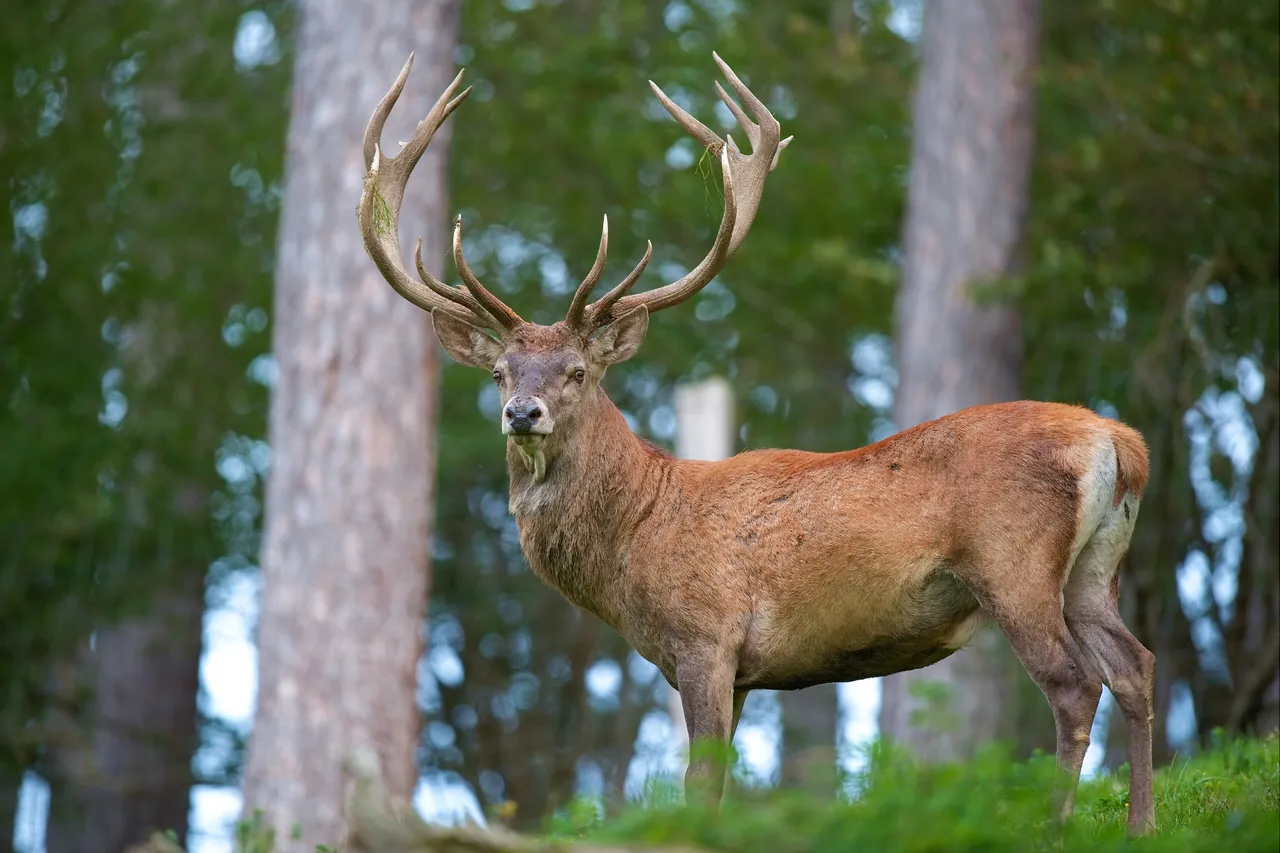
Roughly from mid-September to mid-October, depending on the weather and the region, male red deer roar as they challenge each other and attract the hinds. This deep, powerful call, which carries far through wooded valleys, is one of the great natural spectacles of autumn. In Belgium, the forest massifs of the Ardennes are the best-known places to hear it. In northern France, some large forests hold red deer as well.
The rut is heard above all at dawn and at dusk, sometimes in the middle of the night. The ear matters more than the eyes: a roaring stag often stays hidden at the edge of the wood or at the bottom of a valley. The best plan is to stay on an authorised path or a prepared viewpoint, in silence, well wrapped up, and to wait. Outings led by nature guides or tourist offices are an excellent option for a first time, especially with children.
A few rules matter a great deal at this time of year. Do not leave the paths to get closer: a stag in full rut spends an enormous amount of energy, and making him flee costs him still more before winter. Do not search for him with a powerful lamp in the night. And find out before you set off: autumn is also the hunting season, and some forests are closed to the public on certain days. Notices at the start of the paths and the local councils give the dates.
For a photo, the temptation to get closer is strong. Resist it. A silhouette of a stag in the mist, taken from far away, tells the story of this season much better than a blurred picture taken while running after the animal.
Roe deer and wild boar at daybreak
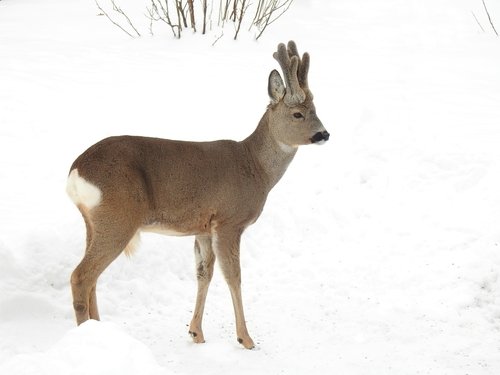
The roe deer is much more widespread than the red deer. You meet it at the woodland edge, in meadows and in fields near woods, especially at daybreak and at the end of the day. In autumn it trades its reddish summer coat for a thicker grey-brown winter coat. The male drops his antlers between the end of autumn and the start of winter, then grows them again through the hard season. When he runs off, look for the large pale patch on the rump: it is often the first clue.
The wild boar is more discreet. It is active mainly at night, but it leaves plenty of signs: turned-over meadows, ploughed path edges, muddy wallows. In autumn it feeds in particular on acorns and beechmast fallen on the ground. You rarely see it in broad daylight, and that is just as well: never approach a wild boar, and still less a sow followed by her young. If you meet one, stay calm, give it room and move away slowly.
Birds on the move: who leaves, who arrives
Autumn is the great season of migration. Barn swallows, which nested in cowsheds and barns, gather on the wires before leaving for Africa. Swifts, for their part, have already left our regions at the end of summer. If you still see “swallows” in October, take the time to look at them: they are often the last groups on their way south.
Other birds arrive or pass through. Greylag geese fly in a V, calling, over farmland and wetlands. Thrushes, including the song thrush, use hedges loaded with berries. Common starlings form larger and larger groups and, on some evenings, real moving clouds above reedbeds or towns before settling for the night. To enjoy this ballet, all you need is an open viewpoint in the late afternoon, and a little patience.
A practical tip: look at the sky, but listen as well. Many migrants pass high up and are noticed first by their calls. A calm morning, without a strong wind, is often the most pleasant for following these passages from a high point or a large open space.
The garden and the park get ready for winter
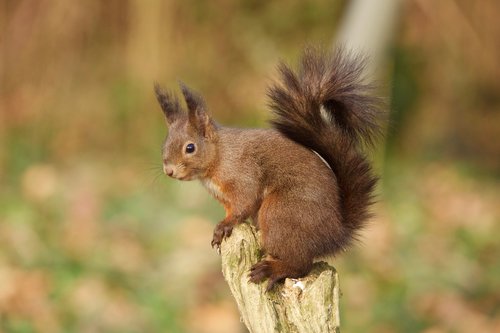
You do not need to go far. The red squirrel is particularly active in autumn: it gathers hazelnuts, acorns, beechmast and conifer seeds, and hides some of them in the ground or in hollows. It is the ideal time to watch it in parks and wooded gardens, often in the morning. Its bushy tail and its ear tufts, fuller in winter, help you recognise it. Rather than following it with the zoom, find the branch or the post where it comes back to pause, and wait for it there.
The European hedgehog eats a great deal before hibernating. You see it mainly at nightfall, rummaging through lawns and borders in search of worms, slugs and insects. A pile of dead leaves or brushwood left in a corner of the garden gives it a shelter for the winter: it is one of the finest gifts you can offer it. And never milk: it digests it poorly. A bowl of water is enough.
Feeders come back into service at the end of autumn, and tits, robins and chaffinches move closer to houses. The AnimalDex guide on birds at the feeder in winter explains how to feed them properly.
Small creatures at the end of the season
The end of summer and the start of autumn are the great period of the garden spider, also called the cross spider. The females, quite large at this season, stretch their circular webs between shrubs and fences. On a foggy morning, the dew makes them spectacular. Look at the spider’s back: pale patches draw a cross there. It is harmless to us, and you photograph it without touching the web.
Ivy has a precious peculiarity: it flowers in autumn, when almost everything else has finished flowering. Its flowers attract many insects, flies, wasps, bees, and butterflies such as the red admiral, recognisable by its orange-red bands on a black background. Fallen fruit in orchards also attracts butterflies and European hornets. The European hornet is impressive but generally not aggressive away from its nest. Watch it from a distance, and never approach a nest.
The coast and the night in autumn
On the coast, autumn brings quieter beaches and raking light. The harbour seal is present all year on some bays of the Channel and the North Sea, notably in the Somme bay, where you can glimpse it resting on the sandbanks at low tide. Guided outings exist. Binoculars are essential and distance is obligatory: a seal that sits up or hurries back into the water has been disturbed. The AnimalDex guide on the North Sea coast gives more detail.
In the evening, listen. In autumn, young tawny owls born in spring look for a territory and the adults defend theirs: it is a season when you hear them a lot, at dusk, in wooded parks, tree-filled cemeteries and forests. The famous quavering “hoo-hoo” is the male’s, and the female often answers with a sharper call. Watching them is difficult; hearing them is much less so.
Preparing an autumn outing well
The great advantage of autumn is that day breaks later: there is no need to leave in the middle of the night to be in place at dawn. Plan waterproof clothes in a neutral colour and shoes that can stand mud. A pair of binoculars, even a simple one, changes everything for birds and large mammals. Put your phone on silent and keep it charged: the cold drains batteries faster.
With children, a short successful outing is better than a long walk that ends in grumbling. Set a small goal: hear a deer, see a squirrel, find a spider’s web covered in dew. And think of ticks, still active when autumn is mild: a look at the legs and the folds of the skin on the way home is a good habit.
Finally, note what you see: the place in general terms, the date, the time, what the animal was doing. From one year to the next, these notes become your own seasonal calendar, much more reliable than any list.
In AnimalDex
Autumn is a good season for completing your collection: several common species in the catalogue are easier to see, and rare species such as the red deer or the wild boar make themselves heard or leave signs. If you are not sure of the species in your photo, compare it with the card before you confirm.