
Nocturnal animals near home: who comes out at night and how to watch them
AnimalDex · 8 October 2026
Hedgehog, tawny owl, bats, beech marten, fox, toad: discovering the nocturnal animals of the garden and the neighbourhood, and watching them without disturbance.
The neighbourhood changes face at nightfall
When the light fades, another fauna takes over. Many mammals of western Europe are active mainly at night or at dusk, which lets them avoid the heat, predators and, often, people. The garden you think you know may welcome a hedgehog, a beech marten, a fox or bats every night, without your suspecting it.
Watching this nocturnal fauna takes a little patience and a few precautions, but it is a magical experience, especially with children. On a summer evening, sitting in silence at the bottom of the garden, you hear and see astonishing things. This guide presents the main nocturnal animals you can meet near home in Belgium and France, and the right way to watch them.
The hedgehog, star of the gardens
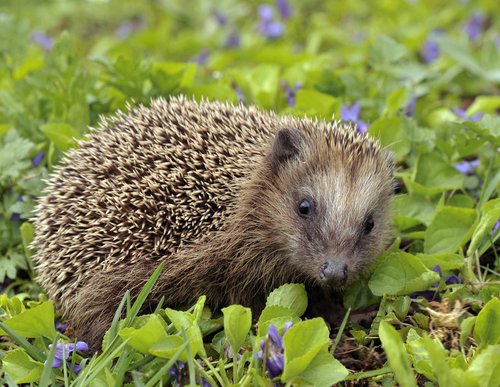
The European hedgehog comes out at dusk and covers a good distance each night in search of earthworms, slugs, beetles and caterpillars. You often hear it before you see it: it snuffles, snorts and crackles the leaves as it rummages. In spring and summer, males may circle a female noisily, snorting.
To help it, a few simple gestures make a great difference. A small gap at ground level in the fence lets it move between gardens. A pile of leaves or branches in a quiet corner gives it shelter. A shallow bowl of water helps it in dry weather. Avoid slug pellets, and never run a robot mower at night: hedgehogs do not flee, they curl up, and the blades can injure them seriously.
Do not give it milk, which it digests poorly. Do not handle it and do not put it in full light for a photo. A hedgehog seen in broad daylight, that staggers or seems weak, probably needs help: contact a wildlife rescue centre.
Owls: the ear first
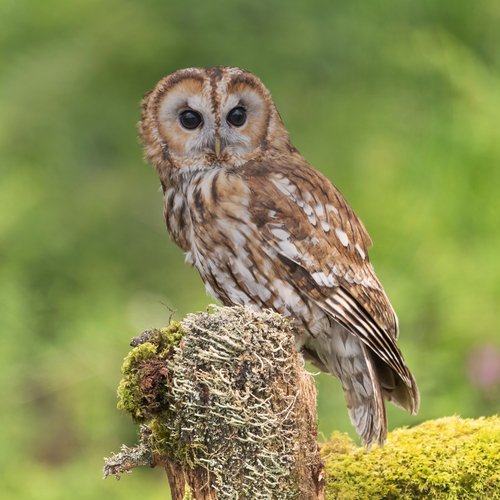
The tawny owl is the most widespread owl in wooded parks, large tree-filled gardens and forests. Its quavering song, the famous “hoo-hoo”, is given by the male, and the female often answers with a short, sharp call. You hear it all year, with busier periods, notably in autumn and at the end of winter.
The long-eared owl, recognisable by its ear tufts, feathers raised on the head that are not ears, is more discreet. In winter, several individuals sometimes gather in a roost in conifers or dense bushes. In spring, the young out of the nest give a plaintive call that sounds like a creaking door.
To watch nocturnal birds of prey, the ear is your best tool. Note a song, remember the direction, and come back the next dusk to watch for the silhouette on an open branch or a post. Do not use a recording of the song to attract them: it stresses them and disturbs their territories.
Bats at dusk
On mild evenings, from the end of spring to the start of autumn, small silhouettes in fast, zigzagging flight hunt around street lamps, above ponds and along hedges. They are often pipistrelles, very small bats that snap up insects in flight. In winter they hibernate in cool, quiet shelters.
The best moment to see them is just after sunset, when the sky is still a little light and the silhouettes stand out against it. Ponds and rivers are favoured hunting grounds. Guided night outings are regularly organised by natural-history societies; they often use detectors that make the bats’ ultrasounds audible, a moment children always enjoy.
Never touch a bat with bare hands. If you find one on the ground or in the house, contact a rescue centre or a specialised society, which will tell you how to proceed.
Beech marten, fox and badger
The beech marten is a small carnivore with an elongated body, brown fur and a white bib. It readily lives near people, in attics, barns and woodpiles. You often notice its presence before you see it: the sound of running in an attic, droppings near buildings, sometimes cables gnawed in a car engine. It comes out at night and moves very fast.
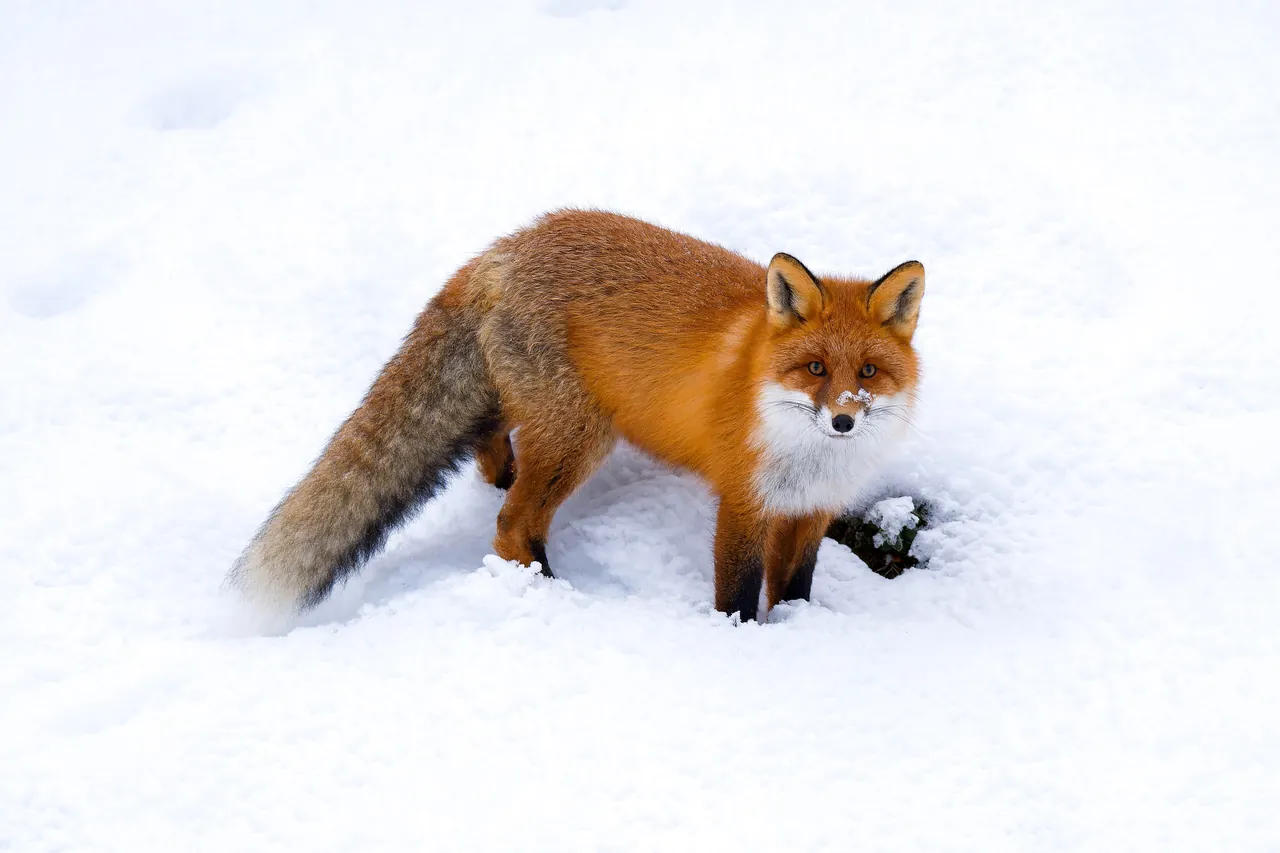
The red fox has adapted well to towns and villages. It visits gardens in search of fallen fruit, worms, rodents or scraps. At dusk, at a woodland edge or in a large park, you can see it cross a lawn at a steady trot. In winter, the breeding season, its harsh calls can surprise you in the night.
The European badger lives as a family in large setts, often at the edge of woodland or in wooded banks. It comes out at nightfall. Watching it means knowing a sett, arriving before dusk, placing yourself at a good distance, with the wind in your face so it does not smell you, and staying perfectly still and silent.
Do not feed these animals: getting them used to human food does them a disservice and can create conflicts with the neighbours.
Life at ground level
The night also belongs to the small. The common toad hunts insects and slugs in damp gardens. The wood mouse, a small rodent with large eyes and large ears, feeds on seeds and fruit. Slugs, such as the leopard slug recognisable by its dark spots, come out as soon as the air is damp.
A short walk with a lamp in the garden, on a damp night, reveals this world. Use a soft light, red if possible, which many animals perceive less, and do not shine it for long on the same animal. Watch where you put your feet.
At the roadside, at dusk, roe deer and foxes often cross. Slow down in wooded areas: it is the best protection for them and for you.
Choosing the right night
Not all nights are equal. Mild evenings, without wind and without driving rain, are often the liveliest: insects fly, bats hunt, hedgehogs and toads come out. A damp night after a day of rain is perfect for amphibians, snails and slugs. In a strong wind, by contrast, many animals stay under cover, and the noise of the branches covers the sounds that give them away.
The season matters too. In the heart of winter, the hedgehog and the bats hibernate, and the toads are hidden. The fox and the tawny owl, for their part, stay active and make themselves heard even more. Spring and summer are the best seasons for a first family night outing, all the more so because the evenings are long and you can start before the children are too tired.
Watching and photographing at night without disturbing
At night, the animal counts on the darkness to feel safe. Light and noise disturb it much more than in broad daylight. Settle in before nightfall, sitting, still, warmly dressed. Let your eyes get used to the dark rather than switching on a lamp.
For a photo, the phone is quickly limited. An outdoor light that is already on, such as a terrace light, may be enough to photograph a hedgehog passing by, without an extra flash. Avoid firing away with the flash, and never shine a light directly on a nocturnal bird at rest.
A trail camera, a small device that triggers automatically when an animal passes, lets you discover the garden’s visitors with no disturbance at all. If you set one up, point it only at your own land, never at the street or the neighbours’ garden, so as to respect their privacy.
In AnimalDex
Several nocturnal animals appear in the catalogue, from the hedgehog, common in the game, to the tawny owl or the badger, classed as rare. They take patience: a photo taken without lighting or chasing the animal is the only one worth having for your collection.