
Watching animals with children: outing ideas and good habits
AnimalDex · 8 October 2026
Short outings, watching games, a role for every age, safety and respect for animals: how to introduce local wildlife to children and have fun.
Nature starts at the doorstep
You do not need a nature reserve or a long journey to introduce animals to children. A garden, a neighbourhood park, a village pond or a country path are full of life. Children have an advantage that adults have often lost: they look at their own height, down at ground level, where snails, woodlice and ladybirds teem. They ask a thousand questions, and each one is a chance to learn together.
This guide offers concrete ideas for successful outings, suited to the children’s age, and the right habits so that watching stays a pleasure for everyone, animals included.
Short, well-chosen outings
With young children, the golden rule is to keep it short. Half an hour of joyful watching is worth more than two hours of walking that end in tears. It is better to go out often and for a little while, and always to stop before boredom sets in.
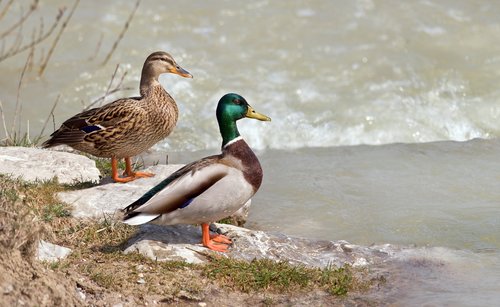
Choose places where you are almost sure to see something. The park pond, with its mallards, its coots and its swans, is a classic that never fails. An educational farm lets you approach hens, cows and goats in a setting made for it. The garden, if you gently lift a stone or an old board, reveals a whole small world.
The moment matters too. Birds are more active in the morning, insects come out when it is mild and sunny, and snails show themselves after rain. A walk just after a summer shower is a guaranteed snail hunt.
Turning watching into a game
Children love challenges. A nature bingo is easy to prepare: a grid with drawings or names to find, such as a black bird, an animal that flies, a feather, a spider’s web, something that swims, a snail. Each ticked box is a small victory.
The silence game is surprising: everyone sits down, closes their eyes for a minute and counts the animal sounds they hear. Children discover that a park which seemed quiet is full of songs, calls and buzzing. You can then try to find out who made which sound.
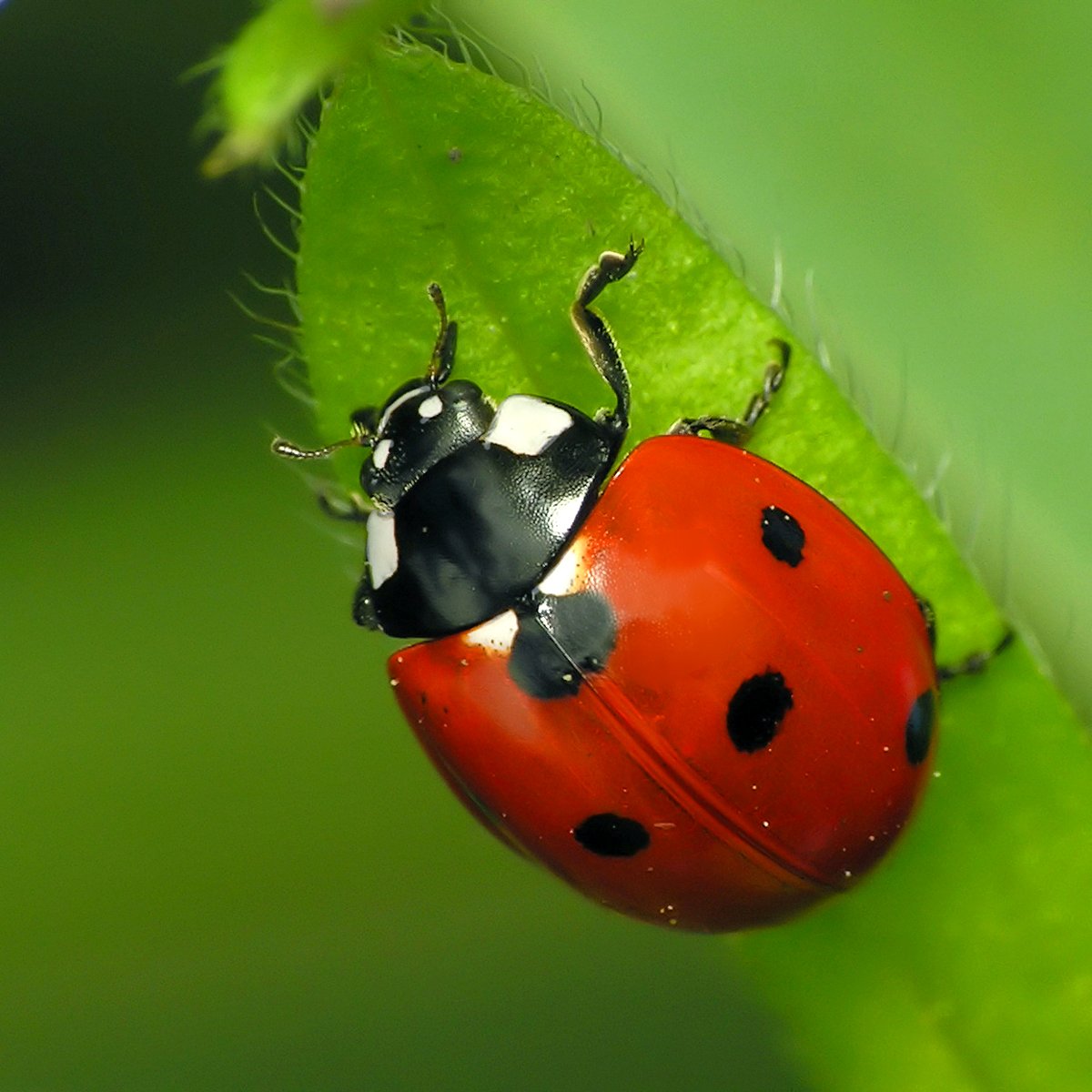
The explorer’s notebook is another great classic. A small exercise book, a pencil, a few coloured pencils: you draw the animal you saw, you note the date, the place, the weather. Drawing forces you to look properly: how many legs the ladybird has, what colour the blackbird’s bill is, where the snail’s eyes are. Over the months, this notebook becomes a treasure.
Finally, the photo appeals a great deal to children. Handing the phone to a child to photograph a magpie or a butterfly makes them an actor in the outing, and forces them to approach gently and to stay still.
A role for every age
The very young, up to about four or five, learn above all through the senses. They like watching animals that move slowly and that you see from close up: snails, woodlice, ladybirds, ducks. Name the animals simply, imitate their calls, point out the colours.
Primary-school children can take on real responsibilities. One is the lookout, who spots the animals. Another is the photographer. A third keeps the notebook. You can teach them a few simple clues: the difference between a blue tit and a great tit, between the male and female blackbird, between a butterfly and a moth.
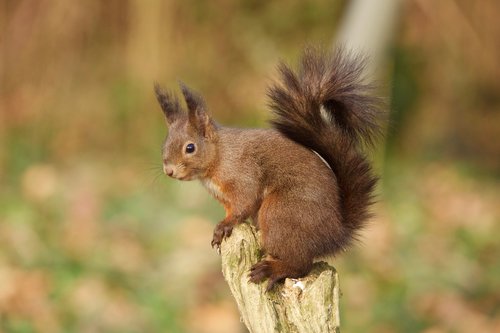
Pre-teens and teenagers often enjoy more technical challenges: recognising a bird by its song, identifying a footprint, getting a sharp photo of a squirrel on the move. Involving them in a guided nature outing or a bird count organised by a society can awaken a real passion.
The kit: few things, well chosen
A pair of binoculars suited to children, light and simple to adjust, is an excellent present. A magnifying glass lets you examine an insect or a feather without damaging them. A transparent bug box helps you watch a small animal for a few moments before releasing it where you found it.
Plan clothes suited to the weather and that can stand mud, water, a snack, and perhaps a small mat to sit on the grass. There is no need to do more: the essentials are eyes and curiosity.
Learning respect for animals
This is perhaps the most important lesson. You watch animals without disturbing them, without frightening them and without damaging them. You do not run after pigeons or ducks. You do not shake the branches to make a bird come out. You do not destroy a spider’s web.
If you lift a stone or a board to see the life hiding there, you put it back exactly afterwards, gently, so as not to crush the animals sheltering under it. You do not collect nests, eggs or nestlings. A young bird on the ground is often not abandoned: its parents feed it nearby.
Amphibians, such as the common toad, have very sensitive skin. Avoid picking them up, especially with hands covered in sun cream or insect repellent. Butterflies lose the scales of their wings when you touch them.
Bread given to ducks is a stubborn habit, but it is not suitable food and it pollutes pond water. It is better to watch the ducks feed themselves, which is in fact much more interesting.
Safety precautions
A few simple habits avoid unpleasant surprises. On the way home from an outing in long grass or woodland, inspect the children’s skin for ticks, notably behind the ears, in the folds and on the scalp. If you find one, remove it quickly with a tick remover and watch the area over the following weeks. If in doubt, ask a doctor for advice.
Wash hands after touching soil, feathers or farm animals. Do not approach wasps’ or hornets’ nests. Keep your distance from large farm animals, from swans during the nesting season and from wild animals. At the water’s edge, an adult always stays in the immediate vicinity of the youngest.
Continuing the experience at home
Watching does not stop when you get back. Look at the photos together, look up the animals’ names, compare them with a guide or the catalogue cards. Put up a feeder in winter, a small woodpile or a corner of the garden left a little wild to attract insects and hedgehogs. Children then see the effect of their actions directly.
Several natural-history societies organise garden bird counts open to everyone each year. The principle is simple: watch for a set time, note the species and the number of birds seen, then send in the results. Children love the idea of taking part in a real scientific study, and it motivates them to learn to recognise the most common birds.
The seasons offer a thread to follow: tadpoles in spring, butterflies in summer, spiders’ webs and squirrels in autumn, the feeder in winter. Coming back to the same place throughout the year shows children that nature changes all the time, and teaches them to wait and to watch.
In AnimalDex
For children, completing a collection is a wonderful reason to go out and watch. With AnimalDex, each animal photographed and identified joins the collection: a chance to look at the species card together and to learn to recognise it for real.