
Watching without disturbing
AnimalDex · 26 September 2026
Distance, nests, roads and zoos: simple rules for an AnimalDex photo that costs the animal nothing.
The score is not permission
AnimalDex gives XP for a confirmed photo. That XP grants no extra right over the animal. A protected species, a nest, a bird roost or an injured animal does not become “playable” because the card is rare or legendary. The collection is built from what you can see without changing the animal’s behaviour. If it flees, freezes, alarms or stops what it was doing, you are already too close, even if the photo is sharp.
This guide sets common-sense rules for Belgium and western Europe, where most players go out. It does not replace local law. Before a trip to a reserve, read the site rules. Some dykes, islets and paths are closed in the breeding season. An “no entry” sign beats the daily challenge.
Distance shows on the animal, not on the zoom
There is no single number of metres. A town sparrow tolerates a presence a roe deer at the edge will not. The test is behaviour. The animal keeps feeding, singing, swimming or resting: the distance is acceptable. It looks up all the time, stops, walks away or takes off: step back. Waiting for it to return teaches more than a chase.
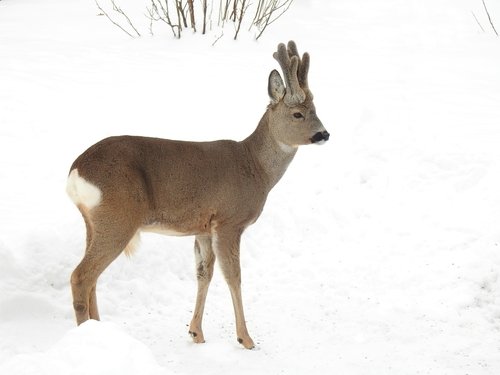
The phone’s zoom does not shorten your moral distance. You can be far away and still cut an escape route, for example by stepping between a group of birds and the water, or between a roe deer and cover. Stand so the animal can leave without crossing you. On a public path, stay on the path. Going off-trail in woodland or dunes damages plants and often brings you closer to a roost you had not seen.
Nests, young and season
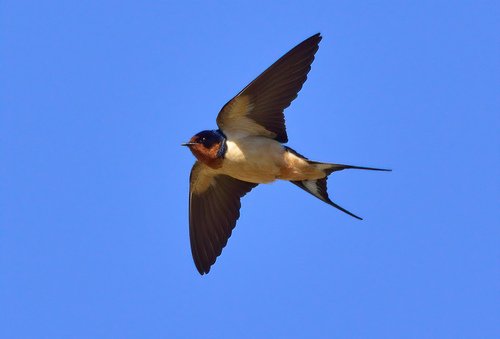
From March to July many garden birds and swallows are nesting. Do not climb a ladder to a nest on a wall. Do not pull ivy aside. Do not fire a flash burst into a nest box. A swallow alarming around a barn is telling you to leave the flight path, not to aim at the nest. The useful photo is the adult in flight or on a wire, at a distance.
Young birds that have just left the nest are often on the ground, feathered, while the parents feed them. A young blackbird or robin on the ground is usually not abandoned. Picking it up “to save it” is a bad idea, and photographing it in the hand is not an AnimalDex capture. Keep domestic cats away if the youngster is in your garden, and let the parents work.
The hedgehog is mostly seen at night. Do not turn it over, do not put it in daylight for a photo, and do not give it milk. A dish of water on the ground, a gap under the fence and no robot mower at night help more than a close-up. If it is injured, the right step is a wildlife clinic, not the collection.
Roads, dogs and groups
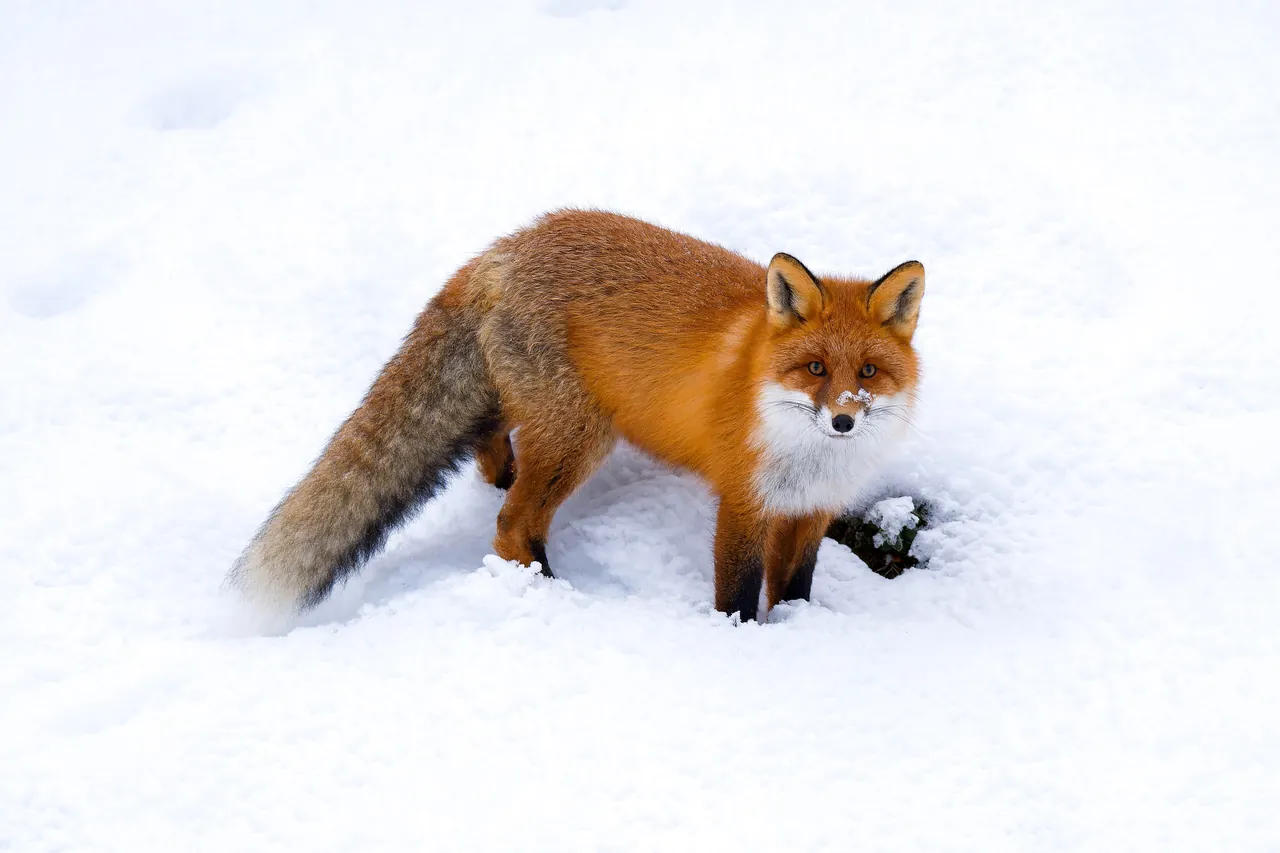
Roe deer and foxes are often seen at dawn beside a road. Stopping on the verge without putting other drivers at risk is already enough. Getting out, sounding the horn, or following the animal into the field is not. Headlights stay road lighting, not a photo spotlight. The daily challenge is not done from a moving car.
A dog on a lead changes the acceptable distance. Many animals flee a dog long before a person alone. On a reserve or a bird dyke, the lead is not optional. If the site bans dogs, you do not enter with the dog “just for the photo”.
In a group, pressure adds up. Five people each stepping “a little closer” end up at the edge of the roost. Name one watcher who says stop. Do not share a precise nest or den location live. A public card does not have to become a treasure map.
Zoos
For a zoo species, the frame is the enclosure and the rules. No flash behind glass. No tapping. No food brought in. No shouting to make the animal look up. Feeding time is bad for the photo and for the animal: the crowd is pressed to the barrier. Come back later.
The enclosure sign often states origin and status. Read it. It stops you inventing a story. AnimalDex does not publish population figures. If the sign and the game card disagree, the park sign and the IUCN or GBIF source win for status. The game can be corrected. It does not grant special permission because you paid the entrance fee.
What you record
A good sighting fits in four notes: likely species, general place (not the coordinates of a nest), date, and what the animal was doing. Those notes help you confirm later, calmly. They are not a plan to get closer the next day.
If you are unsure of the name, keep the photo and leave the card open. The guides on garden birds and on similar species are for that moment. A slower collection is better than one that made animals flee for a few dozen XP.
AnimalDex, at animaldex.fr, is independent of animaldex.app. The field ethics described here apply to the site and the PWA where you photograph real animals. No store application changes these rules.