Photographing an animal for AnimalDex
AnimalDex · 26 September 2026
Mobile advice: light, framing, a safety shot and confirming the species, with no special kit.
What the card actually needs
AnimalDex is not a photo contest. A capture needs a picture of a real animal, taken by you, on which the species can be recognised. A poster, a screenshot, a television screen or a downloaded image does not count. The rest — blur, artistic crop, filter — is secondary. A sharp photo of the main mark, in its habitat, beats a blurry tight portrait.
This guide is about the phone, because that is what almost every player uses. A bigger camera does not change the approach rules. If you have binoculars, use them to identify, then photograph only if the distance stays fair. The guide on watching without disturbing outranks this one as soon as the animal changes behaviour.
Light and stability
Hard midday light hollows the eyes and burns the whites. Morning and late afternoon are easier to read, and many animals are more active then. Stand so the sun is behind you, not in the lens, unless you accept a silhouette. A silhouette can be enough for a wood pigeon in flight, because of the white wing band, but it is not enough for a tit.
Hold the phone with two hands, elbows in. Tap the screen on the eye or the head to focus. If the animal is behind mesh or glass, tap the animal, not the mesh, or the focus sits on the wires. For zoo glass, put the lens almost on the pane, slightly angled, to cut the reflection, and turn the flash off.
Digital zoom enlarges blur. Step closer only if the animal keeps doing what it was doing. Otherwise stay wide. A sharp wide photo can be cropped a little later. A zoomed blurry photo cannot be repaired. On a distant bird, a short burst when it turns its head gives you more chances than a single frame.
The safety shot
Always take two pictures. The first shows the animal and the habitat: hedge, pasture, enclosure, shore. It reminds you of the context and prevents an absurd identification. The second, if the animal stays, tightens a little on the head, bill, collar or tie. If you only have time for one frame, choose the one that shows the mark, not the prettiest background.
Note the date. The phone often does it. Season changes plumage: spotted starling in winter, spotted youngsters in summer, black-headed gull with or without a hood. A photo with no date is hard to reread six months later. The place can stay general: “town park”, “dyke”, “zoo”. You do not need to publish a nest GPS point.
Look at the photo before you put the phone away. Is the mark visible? Is the bill yellow or dark? Is there a collar? If you cannot see it on the image, you did not really know it. Go back and watch, or leave the card in doubt. AnimalDex lets you confirm: confirming without the mark fills the collection with a wrong name.
Common cases
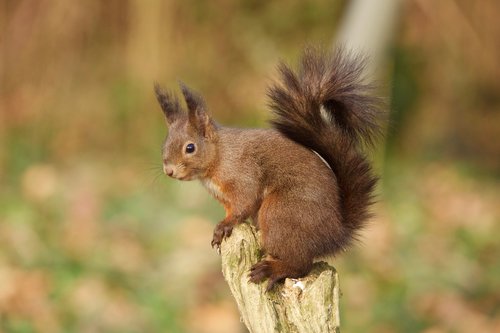
The red squirrel never stops moving. Anticipate the post or the branch where it pauses, instead of chasing it with zoom. The bushy tail and, in winter, the ear tufts show in profile. The grey squirrel, where it occurs, has neither the same colour nor the same origin. Do not merge them because both climb.
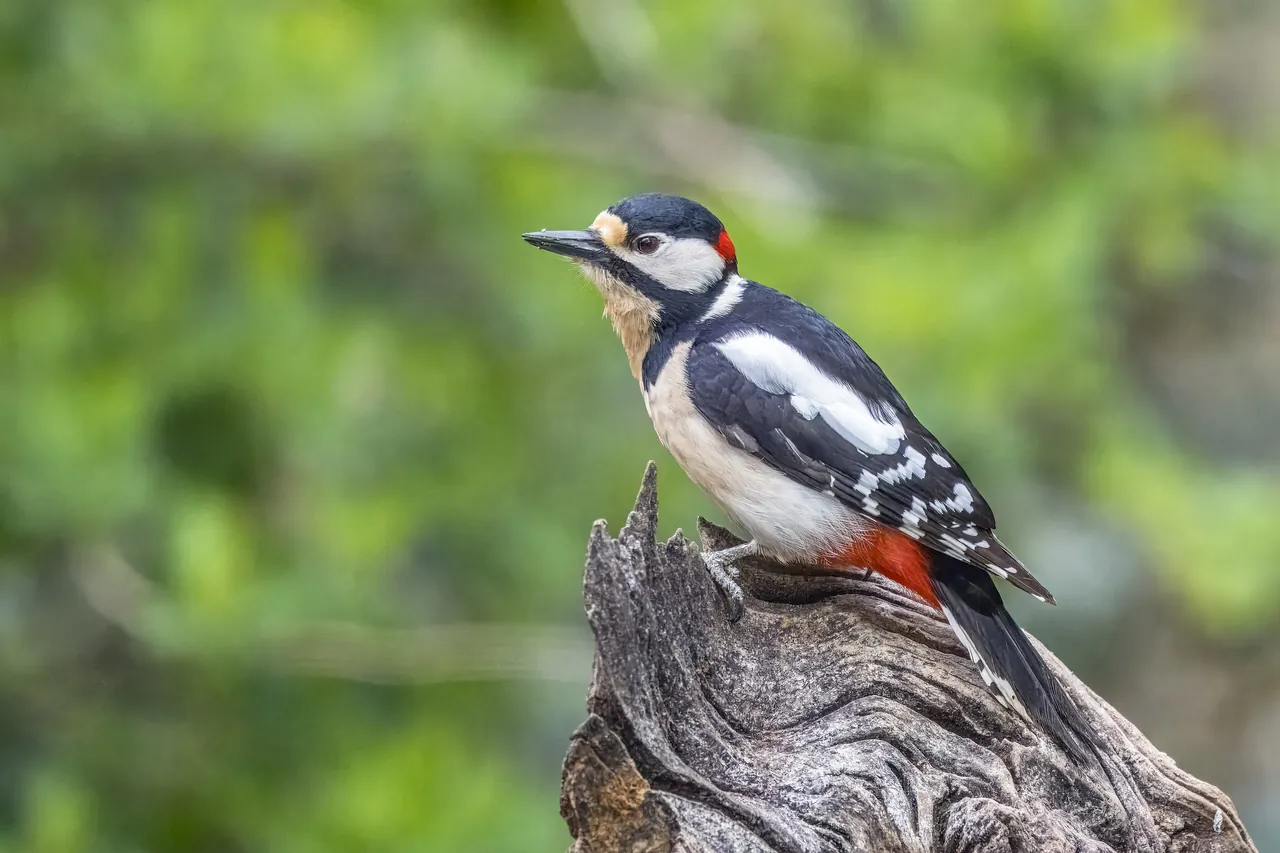
The great spotted woodpecker is often high on the trunk. The black-and-white back, the white wing patches and the male’s red nape are judged when it stops drumming. A shot from below, into the light, shows only a shape. Step aside so the trunk is lit from the side.
The kestrel hovers over a verge. A flight photo is hard. The bird perched on a wire or a post, rufous back and barred tail tip, is often more useful for the card. Do not stop on a motorway to get it. A local lane is enough.
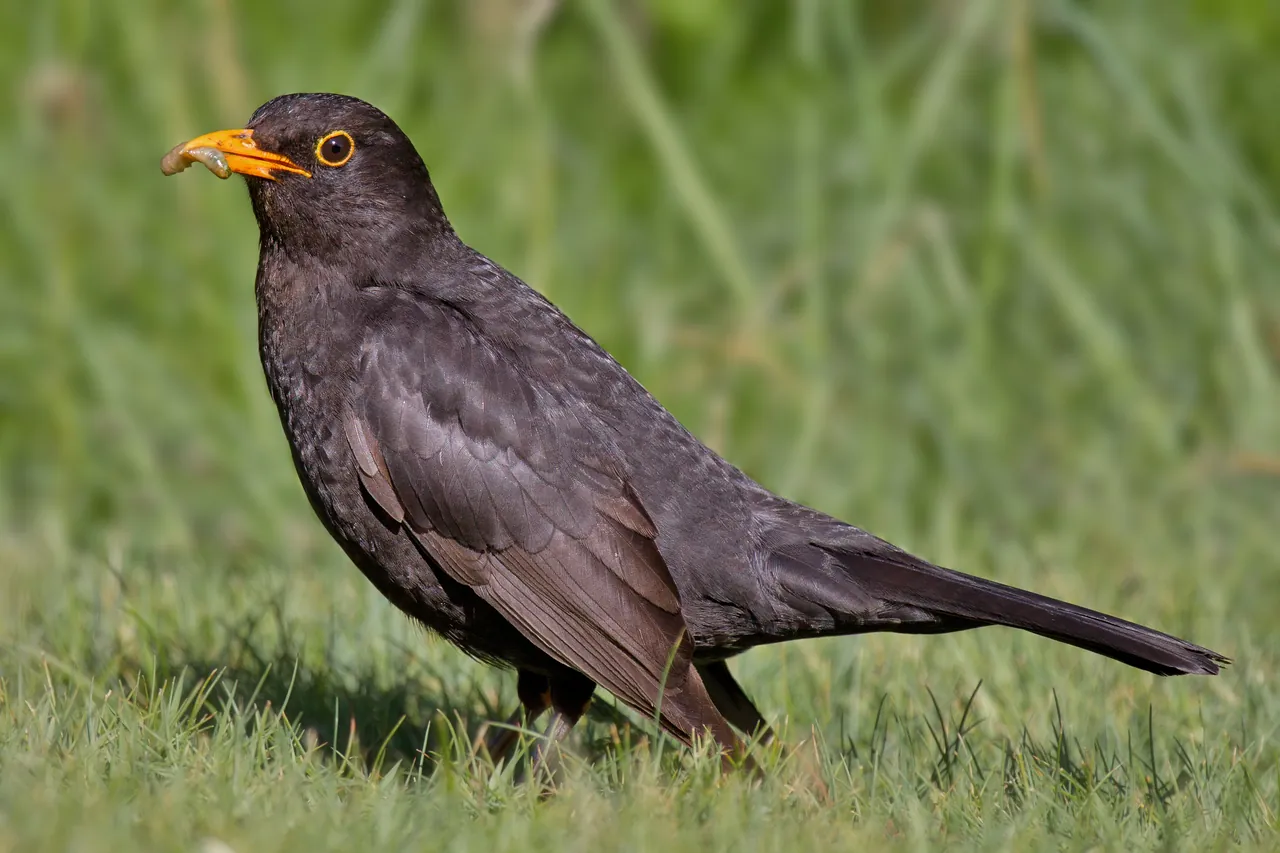
The blackbird on the ground and the wood pigeon in a park are perfect practice: they stay, the light is easy, and the mix-ups are already written on their cards. Practise on them before a shyer species.
Confirming in the game
When you send the photo, read the suggestion. Compare the scientific name with what you saw. Open the card if you hesitate between two species of the same habitat. The short catalogue description is the game’s official mark. If your photo contradicts that sentence, it is probably not that card.
Premium removes ads. It does not unlock species and it does not replace a real photo. Everyone reads the same cards and the same guides. The collection stays a matter of watching, not of buying.
AnimalDex is played at animaldex.fr. It is not the animaldex.app store application. The advice on this page is for the PWA and the site where the photo joins your collection.