
Twenty easy species near home
AnimalDex · 26 September 2026
A first list for Belgium and western Europe: town, garden, farm and waterside, with no expedition.
What this list is for
This list is not a ranking and not a full inventory. It is twenty AnimalDex catalogue species that a player in Belgium, or elsewhere in western Europe, can reasonably look for without a special car, a night hide or a zoo. They are listed as common in the game for that reason. Each has a card with a scientific name, a mark and a mix-up. Here, the point is the order of search: where to start this week.
Count one garden walk, one park or pond walk, and maybe a farm if you are allowed to stay behind the fence. Twenty species are not done in an hour. Eight well identified beat twenty guessed names. The links at the bottom open the cards.
Garden and hedge
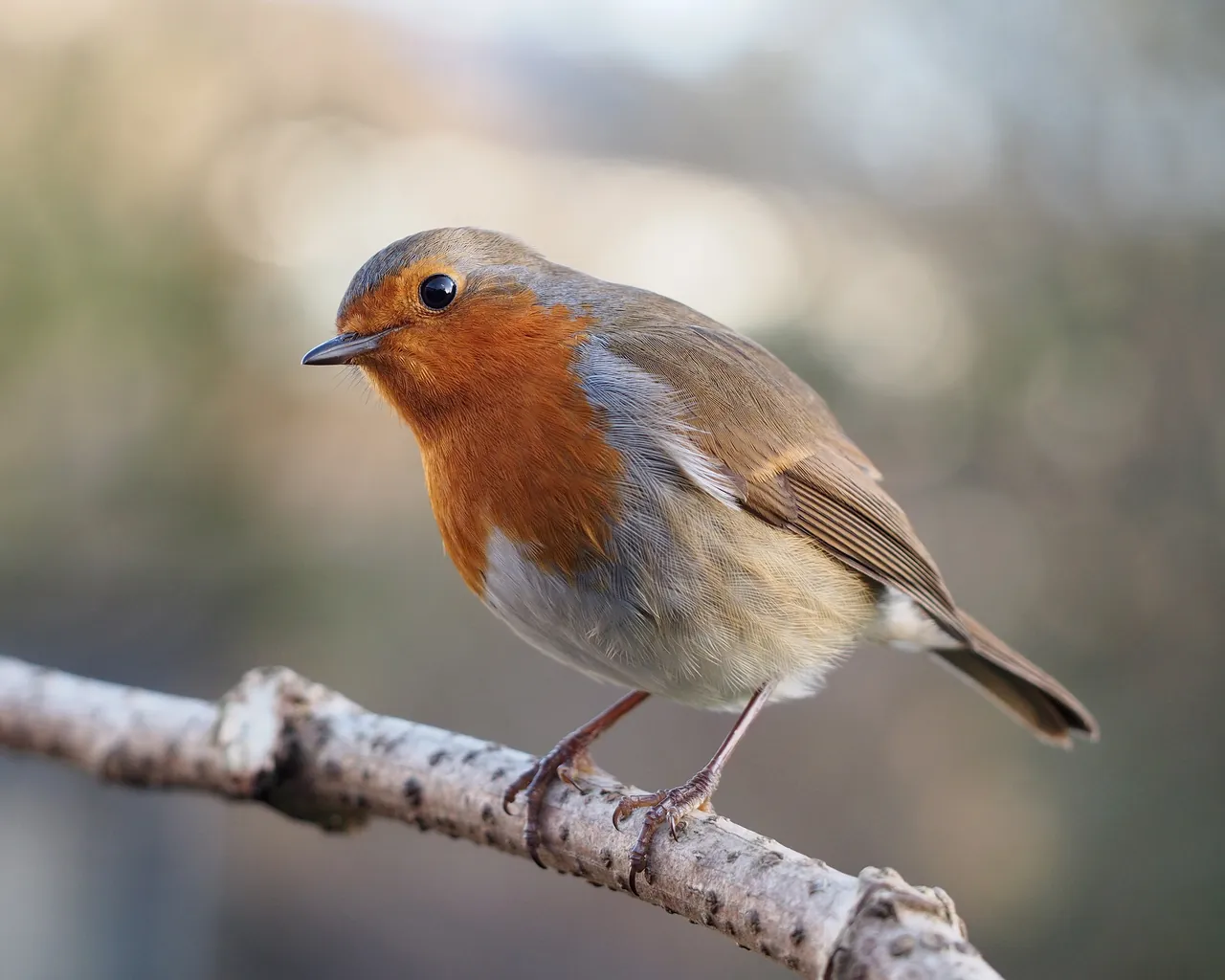
The house sparrow stays near houses, in a flock, conical bill, male with a black bib. The blackbird feeds on the ground: black male with a yellow bill, brown female. The robin has an orange face and breast, and sings even in winter. The great tit shows the black tie on yellow. The blue tit is smaller, blue crown, without that tie. The chaffinch is often on the ground, a little aside, the male with a bluish crown.
Those six are enough for a first weekend. Reread the garden-bird guide before you go. Do not confirm a tit until the head is sharp. Do not take a spotted young blackbird for a thrush without reading the card.
Park and square
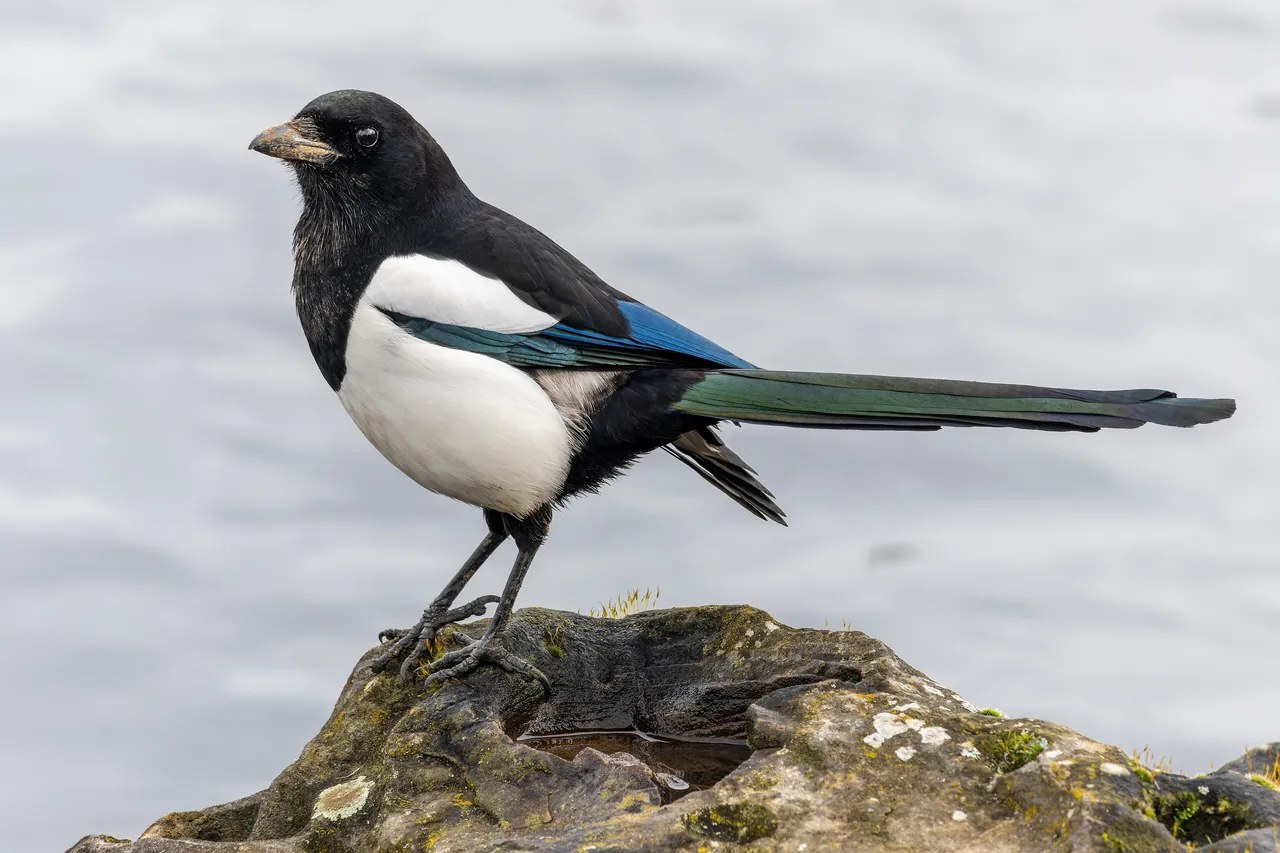
The magpie is black and white, with a very long tail. The carrion crow is uniformly black, larger, heavy bill, often on the lawn. The feral pigeon is the square pigeon, grey with wing bars, very variable in town. The wood pigeon is larger, white collar, white wing band in flight. The collared dove is beige, with a thin black half-collar. The starling is smaller than a blackbird, often in a group, spotted plumage in winter, dark bill.
A Belgian or French town park usually gives at least four of these. The guide on similar species details pigeons and tits. For magpie and crow, tail and size almost always decide.
Pond and water in town
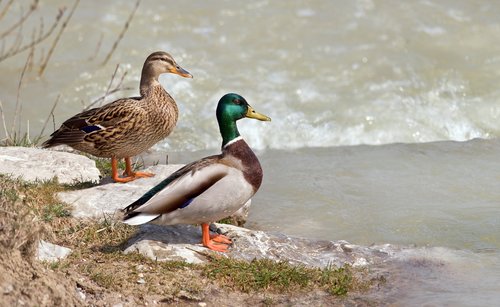
The mallard is the basin duck: green-headed male, brown female with a blue wing patch. The mute swan is the large white swan with an orange bill and a black knob. While nesting it may charge: distance is not negotiable, especially with a dog. The black-headed gull is the small gull with a brown hood in spring, or a spot behind the eye in winter. You also see it in car parks and on ploughland, not only at the sea.
These three are photographed from a path or a public jetty. Do not step onto a roost to complete the list. The phone zoom is enough.
Easy mammals, and the farmyard
The red squirrel in parks pauses on a branch: bushy tail, rufous coat. Where the grey squirrel occurs, do not mix them. The European hedgehog is looked for at dusk, in the garden, without handling it. The domestic cat and the dog are companion animals: their cards exist because people really photograph them, not because they are wild fauna. The domestic hen is seen in a farmyard, from the path, without entering the pen.
Those five complete the list without a deep wood. The fox and the roe deer are deliberately left for later: they are in the catalogue, they need dawn and distance, and they are not part of this first twenty.
How to tick a species without cheating
For each species, a photo on which the card’s mark is visible. Not an image taken from the internet. Not a photo of a statue, a soft toy or a screen. If the species was not there today, it may be there on Thursday. The list does not expire.
Note what misled you. “I took the female blackbird for a starling” is a useful note. The blackbird card and the starling card state that difference. Going back once beats every longer list.
In Belgium, parks, town gardens and municipal ponds already concentrate most of these twenty names. The countryside adds the hen and sometimes a hedgehog on the road, which you do not photograph by stopping carelessly. The ethics guide repeats distance, nests and young birds on the ground.
AnimalDex at animaldex.fr offers this list as a starting point in the catalogue, not as a separate application. animaldex.app is another product. The cards linked here are this site’s, in French by default, and in the site’s other languages through the language choice. Start with the garden six, then the park, then the pond. Leave the fox and the roe deer for a later dawn, when distance is easy to keep.