
Garden birds at the feeder in winter: how to recognise them and feed them well
AnimalDex · 8 October 2026
Tits, chaffinches, greenfinches, robins: recognising feeder birds in winter, what to give them, what to avoid, and keeping the station clean and safe.
A window onto nature, from the kitchen
A well-placed feeder turns a garden, a terrace or even a balcony into a watching post. In winter, when insects are scarce and the days are short, many birds come looking for extra food near houses. For a family, it is the simplest way to learn to recognise a dozen species without leaving home, a cup of chocolate in hand.
This guide completes the one on identifying garden birds. Here, we focus on winter: who comes, how to recognise them at the feeder, what to give them, and above all how to feed them without doing harm. A poorly kept feeding station can do more harm than good.
The regulars: tits, sparrows and chaffinches
The great tit is often the first to discover a new feeder. A yellow belly crossed by a black band, a black head and white cheeks: you cannot miss it. It clings to fat balls and carries sunflower seeds away one by one to shell them on a nearby branch.
The blue tit is smaller and more acrobatic. Its blue cap, the black line through the eye and the lack of a broad black tie set it apart from the great tit. It happily hangs upside down. Watch them side by side: the difference in size and in the head is obvious, and it is an excellent exercise for children.
The house sparrow arrives in a noisy flock. The male wears a black bib and a grey cap, the female is plainer with a pale eyebrow. Sparrows feed on the feeder, but also a great deal on the ground, underneath.
The chaffinch also prefers the ground, where it picks up fallen seeds. The male has a pinkish breast, a bluish-grey cap and two clear white bars on the wing. The female, duller, keeps those wing bars: that is the best clue so you do not confuse her with a female sparrow.
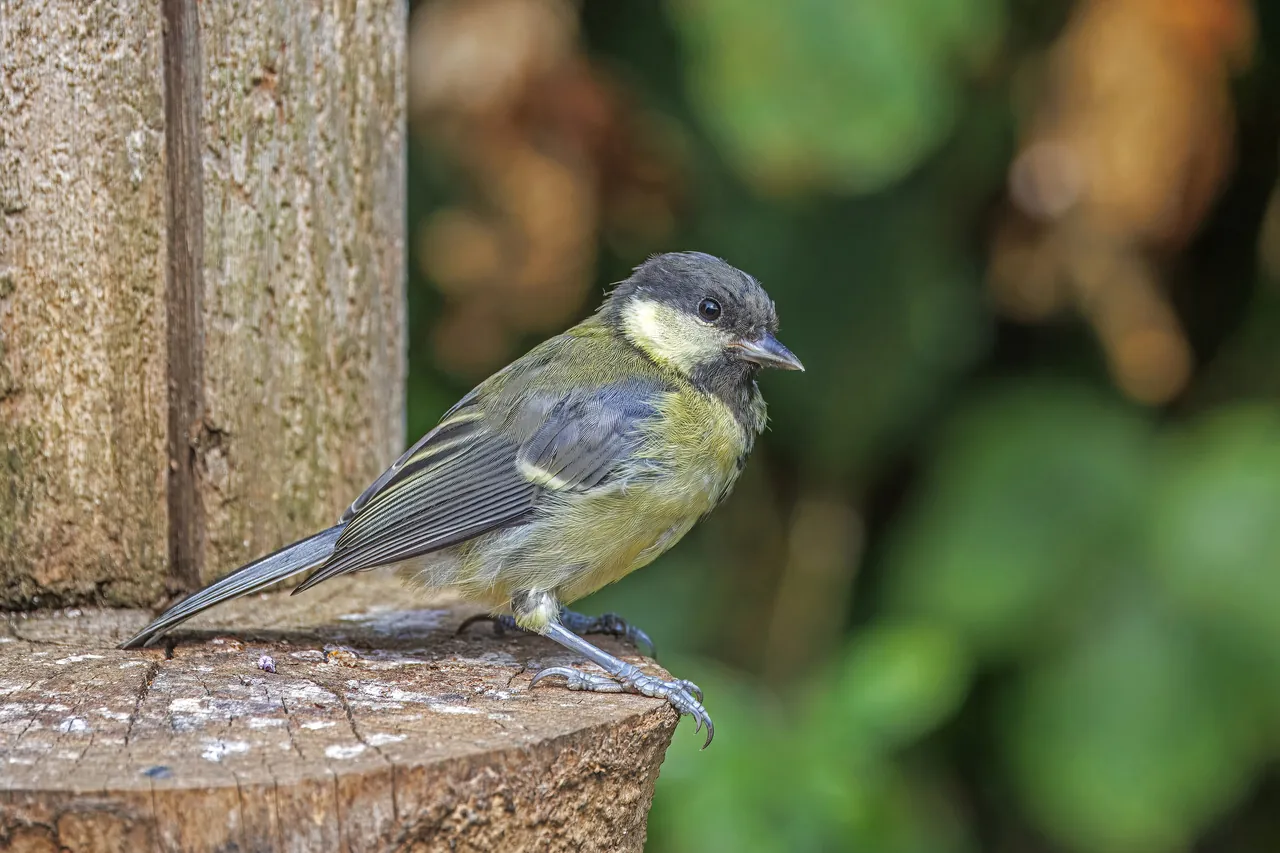
Visitors to look out for: greenfinch, goldfinch, great spotted woodpecker
The European greenfinch is a stocky bird, olive green, with a large pale conical bill and a touch of bright yellow on the wing and the tail. It likes sunflower seeds and can stay a long time on the feeder.
The European goldfinch is one of the most beautiful visitors: a red face, a black and white head, a broad yellow band on the black wing. Its fine bill is suited to small seeds. Mixes that contain small seeds, such as niger, attract it in particular.
The great spotted woodpecker readily comes to fat balls and unsalted peanuts, especially if the feeder is near trees. A black and white back, large white patches on the shoulders, a bright red patch under the tail. The male has a small red patch on the nape, which the female does not have. Its visit is always a small event.
In some winters you will also see a blackcap: part of these birds now spend the winter in our regions instead of leaving for the south. The male has a black cap, the female a rufous-brown cap. It likes apples and fat.
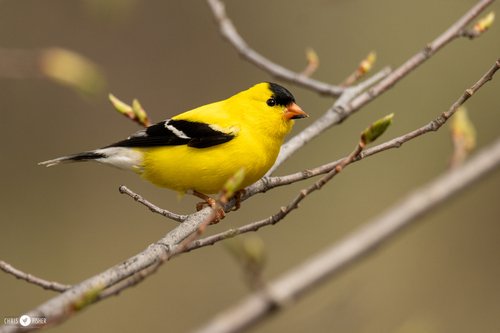
Those that feed on the ground
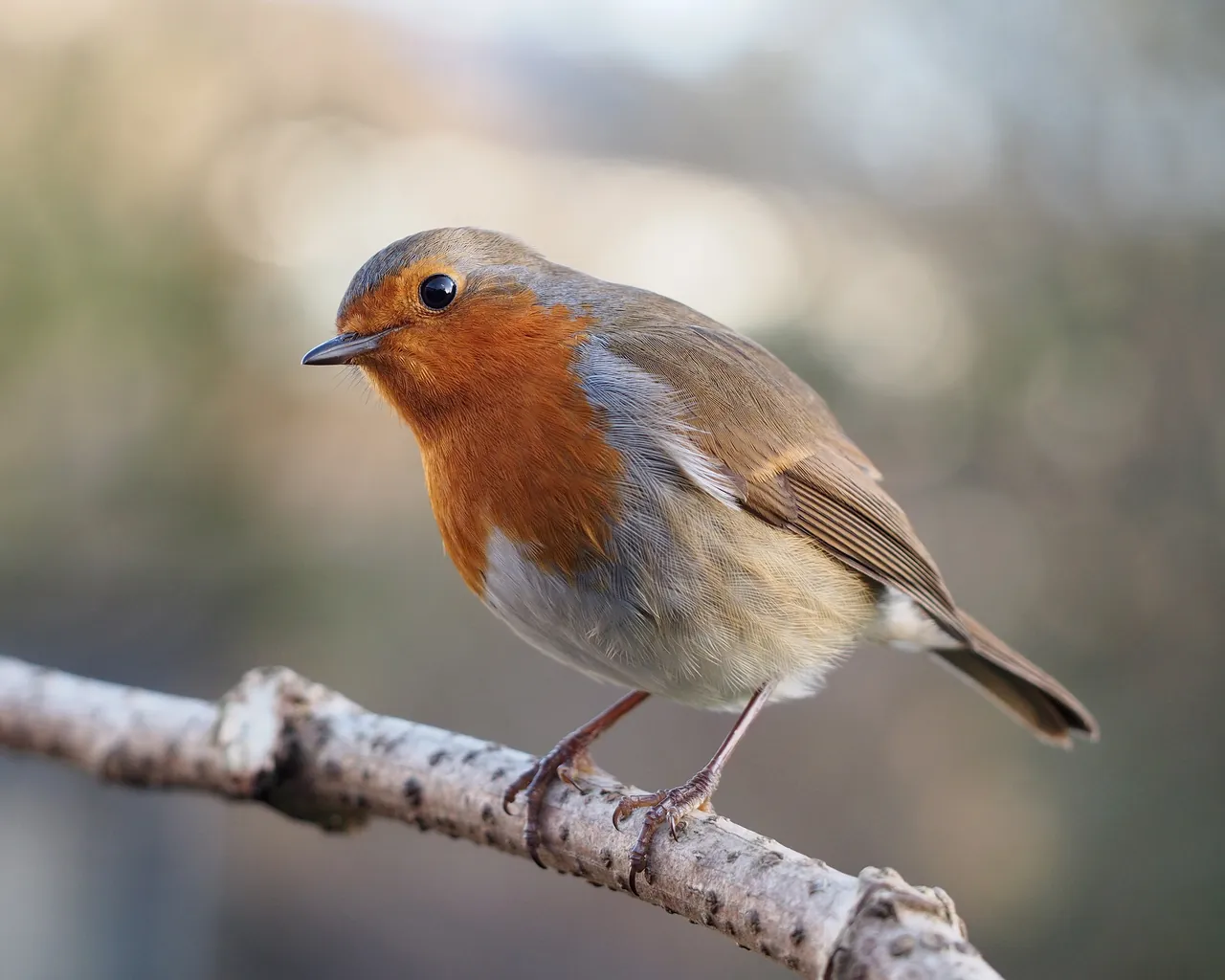
The European robin does not cling easily to hanging feeders. It prefers to peck on the ground or on a tray. An orange breast and face edged with grey, a round shape: it often defends its corner of the garden against other robins, even in winter.
The blackbird likes apples cut in half and placed on the ground, especially in freezing weather. The male is black with a yellow bill, the female brown.
The dunnock is often ignored because people take it for a sparrow. Look again: it has a fine, pointed bill, an insect-eater’s bill, a slate-grey head and breast and a streaked brown back. It moves on the ground in short steps, discreet, under the bushes and under the feeder.
The wren, a tiny brown ball with its tail cocked, rarely comes to eat seeds, but it uses the hedges and woodpiles of the garden. Its powerful song, surprising for such a small bird, is heard even in winter. Collared doves, jackdaws or magpies often complete the picture, drawn by the fallen seeds.
What to give, and what to avoid
Sunflower seeds, preferably black and unsalted, suit most feeder birds. Fat balls and fat cakes for birds bring the energy needed in hard cold. Always remove the plastic net that often surrounds fat balls: birds can catch their feet in it. Prefer a wire holder made for the purpose.
Slightly damaged apples, cut in half, delight blackbirds and thrushes. Oat flakes and unsalted peanuts, offered in a wire dispenser so that birds do not swallow large pieces, complete the menu well.
To avoid absolutely: bread, which swells and does not nourish well; anything salty, spicy or cooked; milk. Table scraps are not a good idea. A little suitable food is better than a large tray of leftovers.
Water is often forgotten. A shallow dish of clean water, renewed and thawed regularly, is as useful as food: birds need it to drink and to maintain their plumage. Never add salt or antifreeze.
When to feed, and when to stop
Bird protection groups generally advise feeding through the hard season, roughly from the end of autumn to the end of winter, and insisting during periods of frost and snow. Once you have started, it is better to stay regular: birds get into the habit of coming.
In spring, reduce the amounts gradually. Insects return, and nestlings need a diet based on insects, which the parents find in the wild. Keep the water all year, though.
Hygiene and safety of the station
A feeder where birds gather can encourage the spread of disease. Trichomonosis, for example, affects greenfinches and chaffinches in particular. A few simple habits limit the risks: clean feeders and drinkers regularly with hot water, remove mouldy seed, move the station from time to time to avoid a build-up of waste on the ground. If you see fluffed-up, listless birds that struggle to swallow, stop feeding for a few weeks and clean thoroughly. Wash your hands after every cleaning.
Think of predators and windows too. Place the feeder up high, out of reach of cats, some distance from a bush where a cat could hide, but not too far from a tree or a hedge where the birds can take refuge. Collisions with windows kill many birds: avoid setting the station directly opposite a large glazed door, or make the glass more visible.
Watching and photographing without getting in the way
The ideal is to watch from indoors, behind a window. Birds quickly get used to a fixed station and come very close. For a phone photo, clean the glass, turn off the room light to limit reflections and almost press the lens against the pane. A natural branch placed near the feeder offers a prettier perch than a plastic tube: birds often stop there before coming to feed.
Use the winter to learn. Note each new species and the date of its first visit. Count how many blue tits you see at the same time. Listen to the contact calls. In a few weeks you will recognise the regulars by their shape, even before you see their colours.
In AnimalDex
The feeder is the ideal ground for photographing several common species in the catalogue from close up, without disturbing them. Compare similar species carefully, such as the two tits or the female chaffinch and the sparrow, before you confirm: an accurate collection is worth more than a full one.